


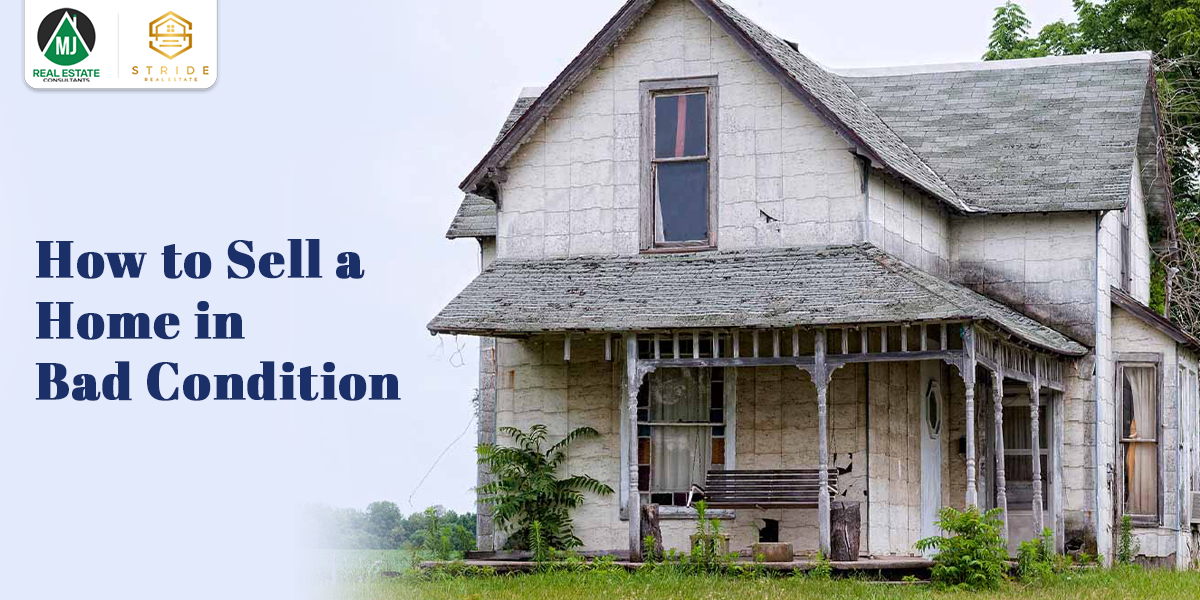
We understand your unusual time when you’re doing hard work in selling your home in your bad circumstances to clear your problems. This may seem like a critical task, but by contacting the right person, you can get a good price and make the process smoother than expected. Fixing homes that deal in less-than-ideal situations are often called “fixer-uppers,” while they may not appeal to every buyer, there’s a market for them. Whether your house wants major maintenance or just cosmetic updates, with the help of this blog, you’ll get crystal clear knowledge of “How to sell a home efficiently in bad condition?”
Step to Sell a Home in Bad Condition
Step 1: Be Honest About the Condition:
The first step to know how to sell house in bad condition is to check the transparency, which is the key when selling a home in bad conditions. While you’re trying to hide any serious issues like structural damage, mold, or a leaky roof, it will not only backfire but can also lead to legal problems later on. Potential buyers will search for these problems during inspections, so it’s better to be upfront.
Make a list of issues:
Before listing your home, take the time to list all the issues, big or small. Knowing the full scope will help you set the right expectations with potential buyers.
Get an inspection:
You may want to hire a professional home inspector to identify any problems you might have missed. This way, you can give buyers a clear picture of the home’s condition.
Honesty might lower the initial number of offers, but it will help attract serious buyers prepared to deal with repairs.
Step 2: Set a Realistic Price:
Pricing is a crucial aspect when selling a house in bad condition. While it’s natural to want to get the most money for your property, you have to be realistic. Overpricing a fixer-upper will scare off potential buyers, leaving your home on the market too long.
Consider the repairs:
Work with a real estate agent or appraiser to understand how much the cost is necessary to sell a house that needs repairs. Subtract those estimated costs from the value of a comparable home in good condition. This will give you a better idea of how to price the home fairy.
Study the local market:
Look at other homes in your area that have sold in similar condition. This will help you set a competitive price based on market trends.
“Price is what you pay, but value is what you get.” This quote by Warren Buffett rings true in real estate. While you may not get your dream price, setting the right value will help attract the right buyer.
Step 3: Consider Selling “As-Is”
If you’re not able to make repairs or don’t want to go through the hassle, selling the home “As-Is” could be a good option. This means the buyer purchases the home in its current state, with all its flaws.
Market it as a fixer-upper:
Some buyers, particularly investors or house flippers, are looking for homes in bad condition that they can renovate and resell. Targeting this audience can be a strategic move when selling as-is.
Use clear language:
When listing the home, use terms like “fixer-upper” or “handyman special” to signal buyers that the home will need work.
Remember that selling as-is often results in a lower sale price, but it can also save you the time, money, and effort of making repairs.
Step 4: Make Minor Improvements (If Possible)
Even if your home is in bad condition, making small, inexpensive improvements can boost its appeal. This doesn’t mean you need to undertake major renovations, but a few tweaks here and there can make a big difference.
Clean and declutter:
Even in bad shape, a clean house will look much more attractive to potential buyers. Remove personal items, excess furniture, and junk to help buyers see the space more clearly.
Focus on curb appeal:
First impressions matter, so tidy up the front yard and give the exterior a fresh paint or power wash. These low-cost changes can make a significant difference.
Fix what you can afford:
If there are minor repairs you can afford to fix, such as broken light fixtures or leaky faucets, it may be worth the investment. These small repairs can make your home appear better maintained, even with larger issues.
Step 5: Market the Home Strategically
When selling a home in bad condition, your marketing approach matters more than ever. Since you’re targeting a specific group of buyers–either those looking for a bargain or investors looking for a project—you’ll need to tailor your strategy accordingly.
Hire a skilled real estate agent:
Find an agent with experience selling homes in bad condition. They will know how to market your property effectively and connect with buyers specifically looking for fixer-uppers.
Take honest but flattering photos:
While you don’t want to mislead buyers, you still want to present your home in the best light. Use well-lit, high-quality photos that highlight the property’s potential.
Emphasize potential:
In your listing, talk about what the home could be. For example, highlight the great location, the size of the lot, or any historical features the home may have. This will help buyers see the possibilities, not just the flaws.
Step 6: Target Investors and Cash Buyers
Selling a house in bad condition often attracts a different type of buyer than a typical homeowner. Investors, house flippers, and cash buyers are more likely to see the potential in a selling property that needs work and often have the resources to make repairs quickly.
Cash buyers:
One major benefit of selling to a cash buyer is that they typically close and sell your property fast and with fewer contingencies. Cash buyers are often willing to buy homes that need repairs since they are looking for investment opportunities.
Real estate investors:
Reach out to local real estate investment companies. These investors often look for properties they can fix and flip for a profit. They are more likely to purchase a home in bad condition than the average buyer.
Step 7: Be Patient but Proactive
Selling a house in bad condition might take longer than selling a well-maintained property. You’ll likely receive fewer offers, and the interested buyer may need time to arrange financing for repairs or to assess the costs involved.
Be Patient:
It’s normal for these types of sales to take longer. Don’t get discouraged if your home sits on the market for a few months.
Stay Proactive:
While waiting for the right buyer, continue to clean and make minor improvements when possible. Keep in close contact with your real estate agent for updates and feedback from potential buyers.
Conclusion
Selling a house in bad condition may seem challenging, but with the right strategy, you can still find a buyer who sees the value in the property. By being transparent, setting a fair price, considering selling as-is, and targeting the right audience, you can turn a difficult sale into a successful one.
Remember, not every buyer is looking for a turnkey home. Some see the potential in a project. If you ever need further assistance selling your property, visit MJ Real Estate Consultants, your trusted dealer in the USA.