


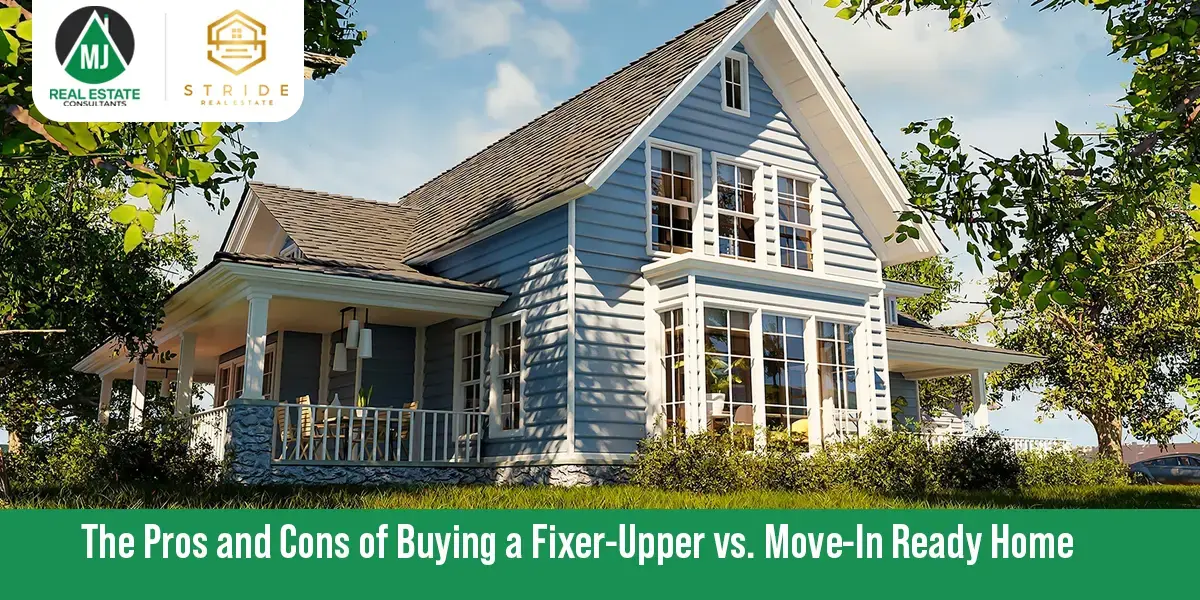
Purchasing a home is one of the most significant decisions you’ll make. With numerous factors to consider—location, budget, size, and style—one key question often arises, “Should you Buy a fixer-upper or opt for a move-in ready home?” Both options have advantages and challenges; your decision largely depends on your personal preferences, resources, and long-term goals. Visiting this blog will help you take the necessary steps by allowing you to learn the pros and cons of buying a fixer upper vs move in ready home, helping you make an informed choice.
What is a Fixer-Upper?
A fixer-upper is a property that requires renovation, ranging from minor cosmetic updates to major structural repairs. These homes are usually sold lower, making them an attractive option for budget-conscious buyers or those seeking a creative project. However, buying a fixer upper house comes with its challenges, such as the need for time, money, and effort to complete the renovations.
What is a Move-In Ready Home?
A move-in ready home is precisely what it sounds like—a fully finished, functional, and ready-for-occupation property without needing repairs or updates. These homes tend to cost more upfront but save buyers from the hassle of renovations.
The Pros of Buying a Fixer-Upper
1. Lower Purchase Price
One of the most significant advantages of a fixer-upper is the lower purchase price than a move in ready home. Because these homes require work, they are typically priced below market value, allowing buyers to save money upfront.
2. Opportunity to Customize
Fixer-uppers allow you to design the home exactly how you want it. From choosing paint colors and flooring to remodeling kitchens and bathrooms, you can customize the space to match your preferences and lifestyle.
3. Potential for Increase Equity
Renovating a fixer-upper can significantly increase its value. By improving the property, you could have a home worth much more than you initially paid, which is an excellent way to build equity. This can be especially appealing if you plan to sell the house.
4. Ideal for Investors
For those interested in real estate investing, fixer-uppers are a great way to enter the market. They provide an opportunity to buy low, renovate, and sell at a higher price. Many real estate consultants recommend fixer-uppers to clients comfortable with renovation projects and seeking a higher return on investment.
The Cons of Buying a Fixer-Upper
1. Time-Consuming Renovations
Renovating a fixer-upper takes time, and depending on the project’s scope, it could take weeks or even months before you can move in. This can be inconvenient, especially if you want to settle into your new home.
2. Unpredictable Costs
While the purchase price of a fixer-upper is lower, renovation costs can quickly add up. Unexpected issues like plumbing problems or structural damage can blow your budget. Having a contingency fund to cover surprises during the renovation process is essential.
3. Stress and Effort
Managing a renovation project requires effort, time, and patience. It can be overwhelming, from hiring contractors to sourcing materials and overseeing the work, particularly if you’re juggling a busy schedule.
4. Risk of Over improving
Sometimes, the cost of renovations can exceed the home buying process potential market value. This is known as over improving, where you invest more than the home is worth, making it harder to recoup your money if you sell.
The Pros of Buying a Move-In Ready Home
1. Immediate Availability
One of the biggest advantages of a move-in-ready home is convenience. These homes are ready for occupancy as soon as the paperwork is complete, making them ideal for buyers who need to move quickly.
2. No Renovation Hassles
With a move-in ready home, you don’t have to worry about repairs, renovations, or unexpected costs. This particularly appeals to first-time buyers or those who prefer a hassle-free home-buying process.
3. Modern Features and Energy Efficiency
Many move-in-ready homes, especially newer constructions, come equipped with modern features like energy-efficient appliances, smart home technology, and updated finishes. These features not only increase your living experience but can also save you money on utility bills.
4. Predictable Costs
Unlike a fixer-upper, a move-in-ready home has no hidden surprises regarding costs. You know how much you pay upfront, allowing for better financial planning.
The Cons of Buying a Move-In Ready Home
1. Higher Upfront Costs
Move-in ready homes are typically more expensive than fixer-uppers. If you’re on a tight budget, this might limit your options or push you toward a smaller home.
2. Limited Customization
With a move-in ready home, you get what you see. Making significant changes to the layout or design can be challenging and costly, as everything is already complete.
3. Potentially Competitive Market
Move-in ready homes are highly sought after, which can lead to bidding wars and increased competition. This can drive up prices and make securing the property you want harder.
Choosing the Right Option
When deciding between buying a fixer upper vs move in ready home, consider the following factors:
- Budget: Can you afford the upfront costs of a move-in ready home, or do you have the resources to invest in renovations?
- Timeline: Are you willing to wait for renovations to be completed, or do you need a home you can move into immediately?
- Skillset: Do you have the knowledge and experience to handle a renovation project, or will you need professional help?
- Long-Term Goals: Will you live in the home for a long time, or is it an investment property?
For example, if you’re searching for luxury homes in Dallas, a move-in ready home might be a better choice, as it ensures high-end finishes and immediate comfort. However, if you’re looking to invest in real estate in Dallas, a fixer-upper could offer more opportunities for value appreciation.
Conclusion
Both buying a fixer upper vs move in ready home have unique advantages and challenges. A fixer-upper is perfect for buyers willing to put in the time and effort to create their dream home while potentially saving money and increasing equity. On the other hand, a move-in ready home offers convenience, modern amenities, and relief but comes at a higher price.
Ultimately, the decision depends on your budget, lifestyle, and long-term plans. Understanding the pros and cons of buying a fixer upper vs move in ready home whichever option you choose will help you navigate the home-buying process and make the best decision for your needs.
For expert guidance in buying, selling property, or investing in homes with MJ Real Estate Consultants, consult with reliable real estate consultants to make your journey smoother and more rewarding.